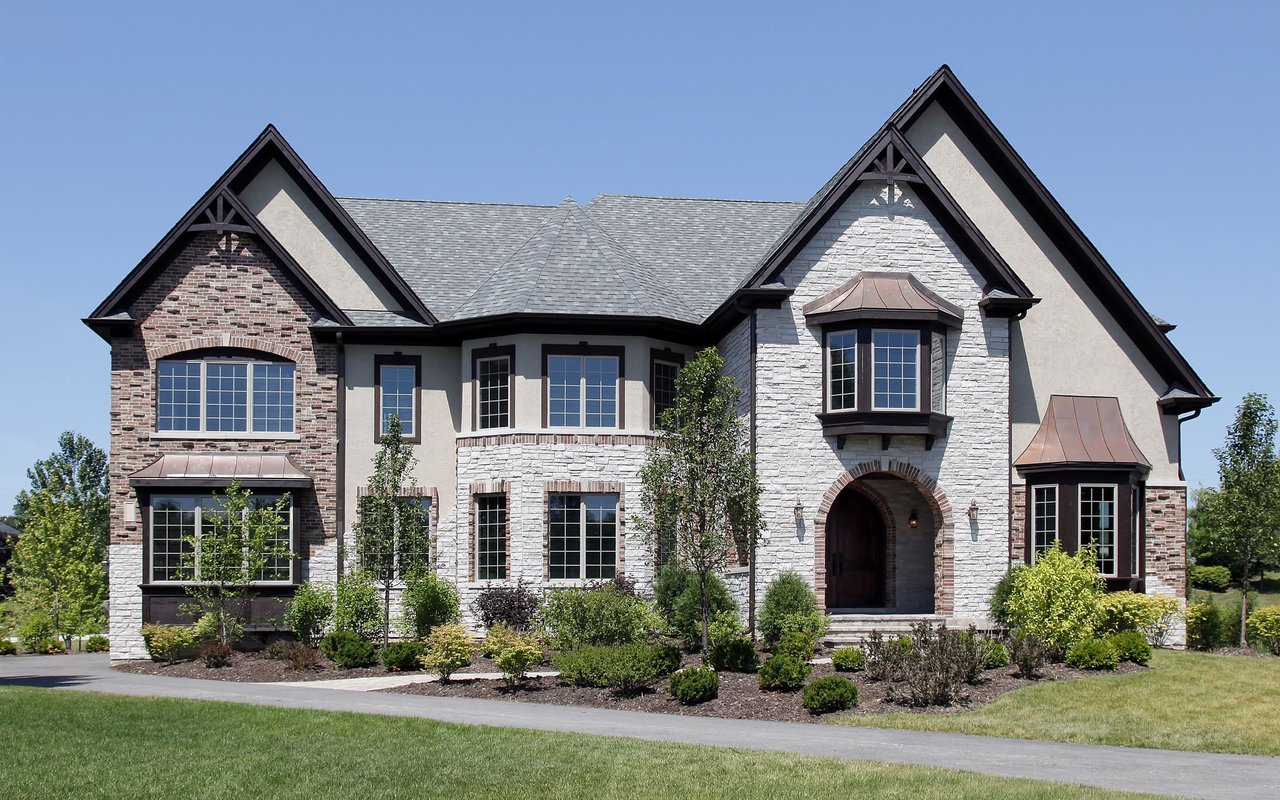
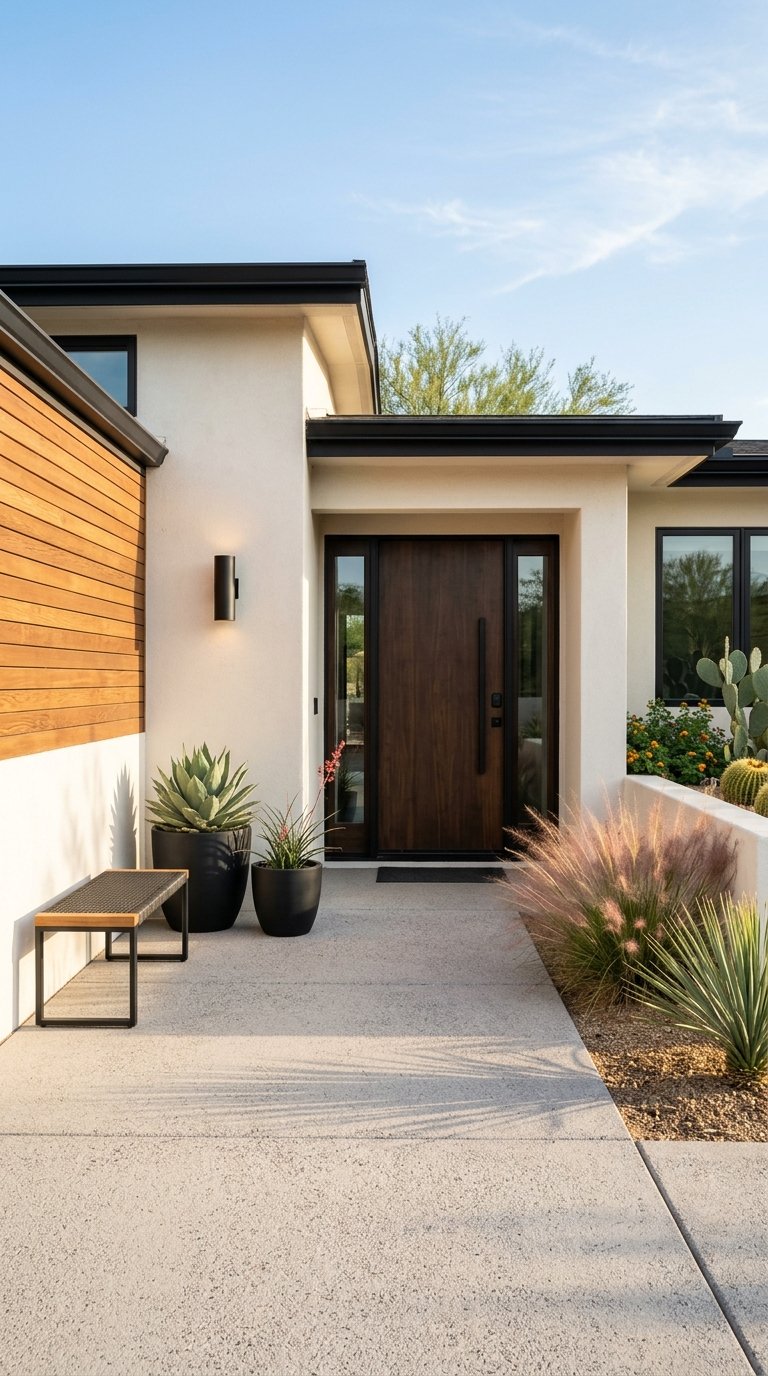
Wondering how to make your Plantation home stand out without taking on a full remodel? You are not alone. In a neighborhood known for mature trees, golf-course views, covered patios, and distinctive home styles, smart staging can help buyers notice the features that already make your property special. The key is knowing what to highlight, what to simplify, and how to make every room photograph well. Let’s dive in.
Why staging matters in Plantation
In Plantation, many homes already offer strong visual appeal. The neighborhood includes Spanish Colonial, contemporary, and New Traditional homes, along with features like open-concept layouts, tile floors, large lots, pools, and attached garages. That means staging is usually less about dramatic change and more about helping buyers clearly see the home’s character and function.
Staging also matters because buyers often form their first impression online. According to the 2025 Profile of Home Staging, 83% of buyers’ agents said staging makes it easier for buyers to picture a property as their future home. The same research found that listing photos are one of the most useful tools in a buyer’s online search, so the way your home looks before photography can directly shape early interest.
Start with your home’s style
Plantation is not a one-look neighborhood, so your staging should fit the architecture of your home. When the style and furnishings feel aligned, buyers can focus on the space itself instead of distractions. This creates a cleaner, more polished first impression.
Spanish Colonial homes
If your home has Spanish Colonial features, keep the palette warm and neutral. Reduce ornate accessories, busy patterns, and oversized décor so arches, tile details, and stucco character can stand out.
The goal is not to strip away personality. It is to make the architecture feel intentional and balanced. A few simple accents often work better than a room full of decorative pieces.
Contemporary homes
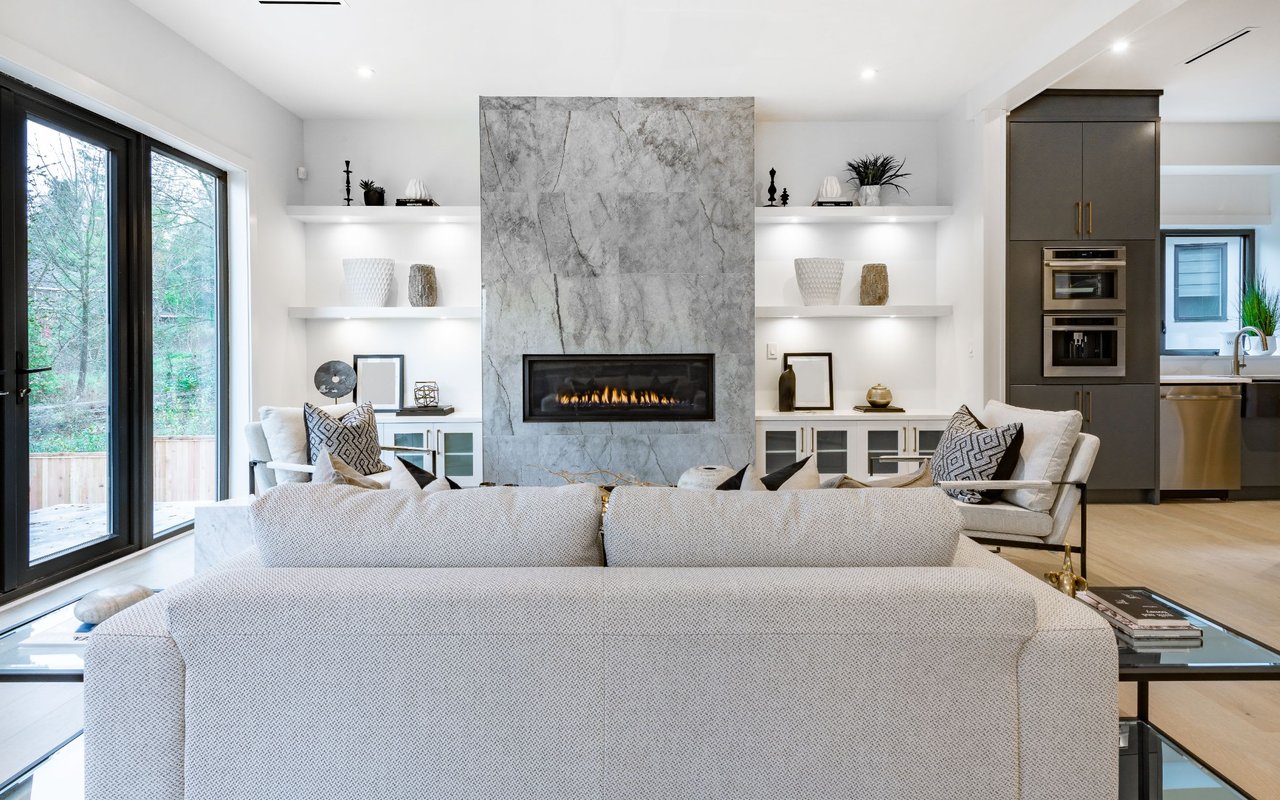
If your home leans contemporary, choose low-profile furniture and minimal accessories. Clean lines, open sightlines, and uncluttered surfaces help reinforce the style buyers expect to see.
This approach is especially helpful in listing photos. Contemporary homes often show best when the design feels calm, airy, and consistent from room to room.
Focus on the rooms buyers notice most
Not every space needs the same level of attention. The most commonly staged rooms are the living room, primary bedroom, dining room, and kitchen. If you want to make the biggest impact, start there.
Living room
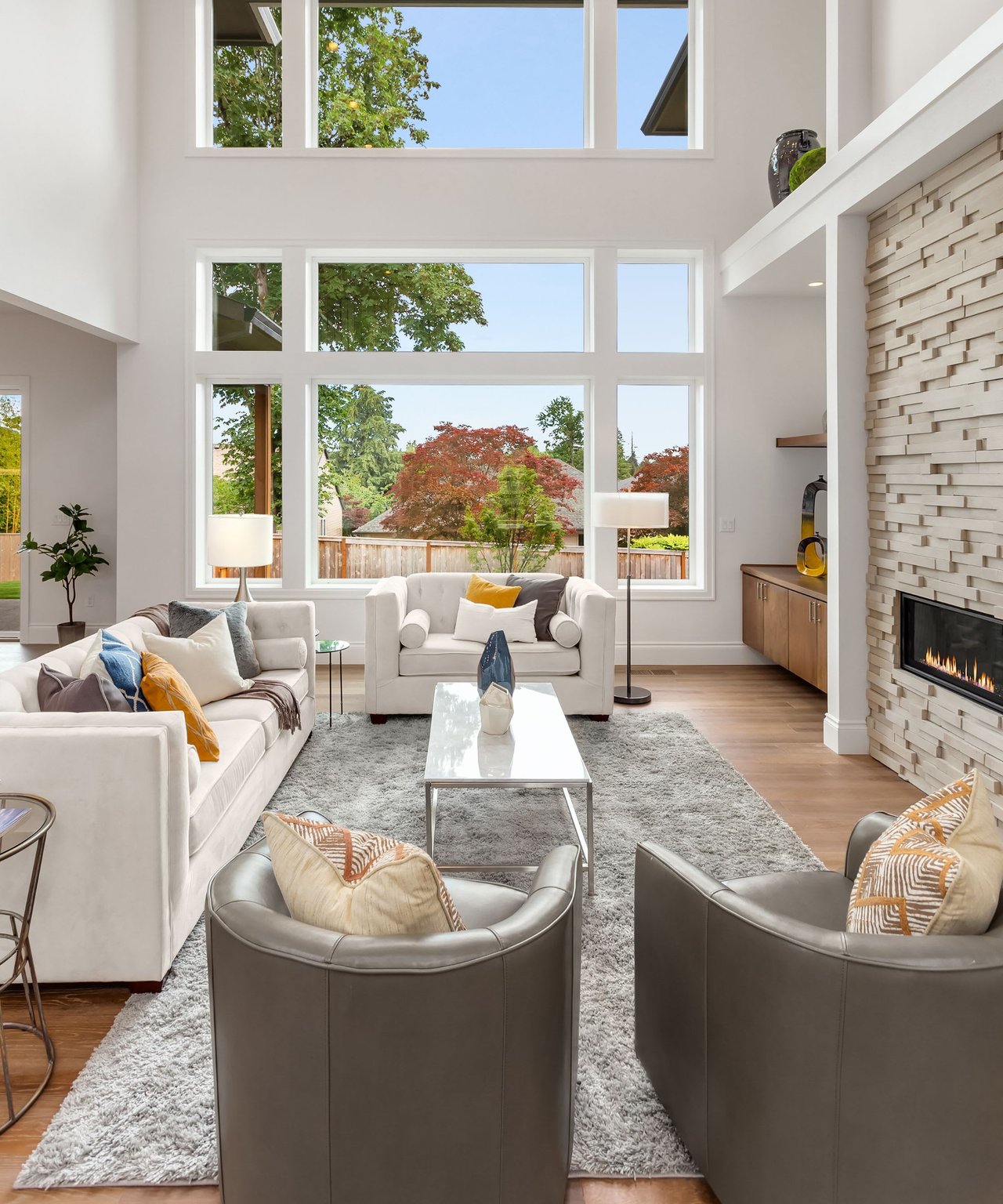
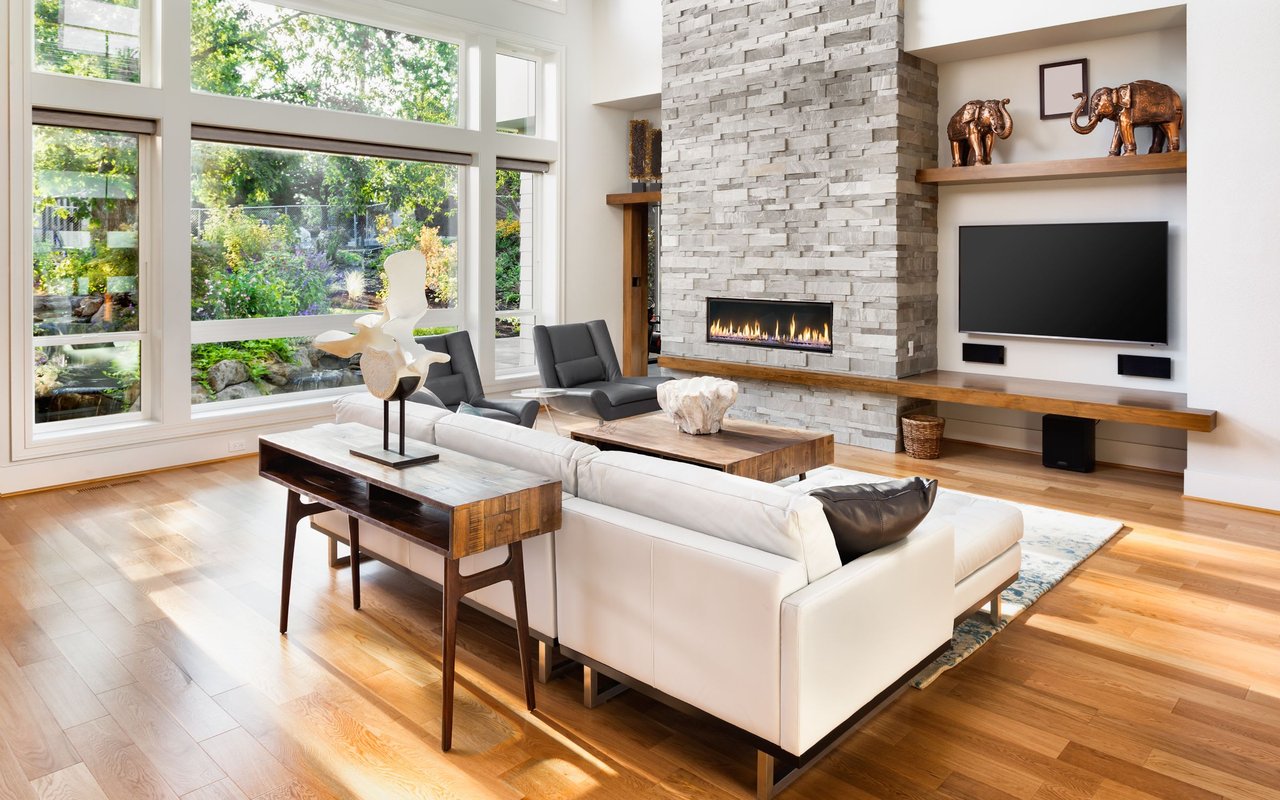
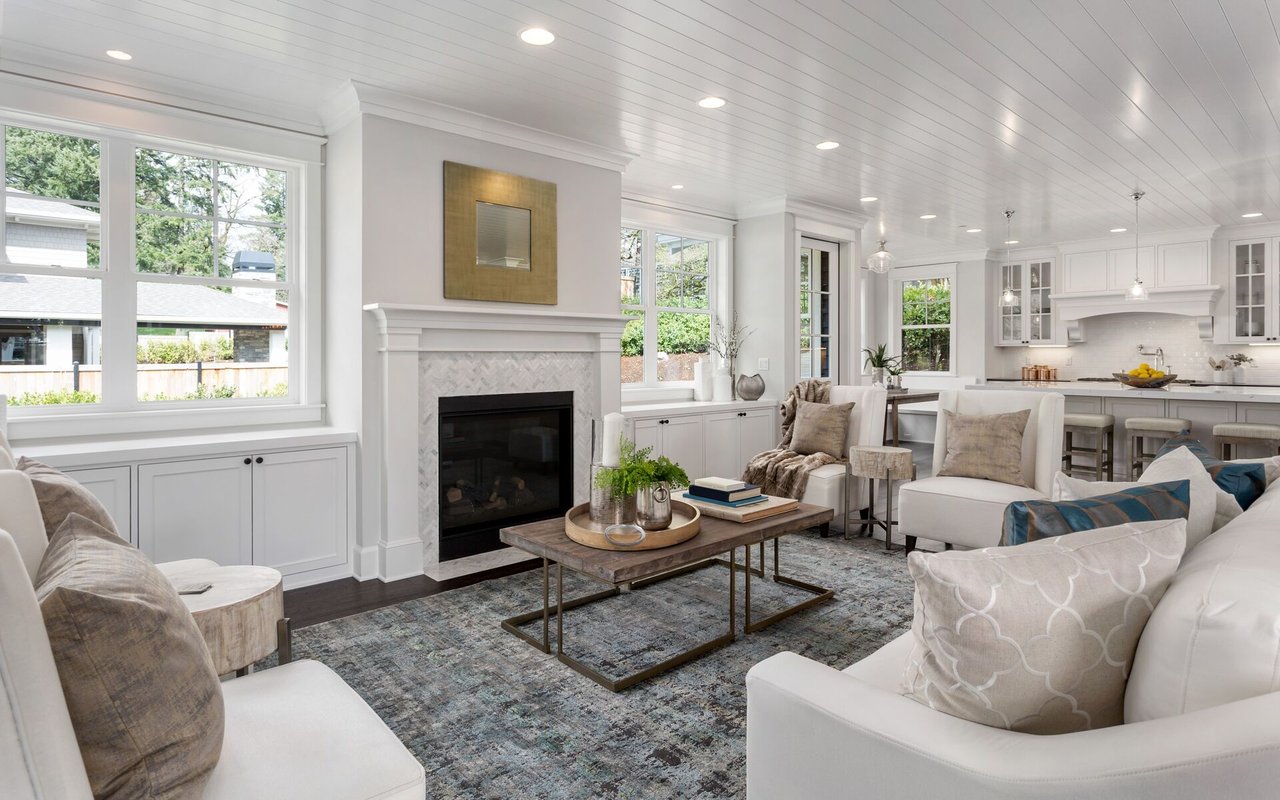
Your living room should feel open, easy to walk through, and comfortable without looking crowded. Remove extra chairs, bulky side tables, and anything that interrupts flow.
In Plantation homes with open layouts, this matters even more. Buyers should be able to understand how the living room connects to the dining area and kitchen at a glance.
Kitchen
Keep kitchen counters as clear as possible. A few simple items can work, but too many small appliances, bottles, or decorative pieces make the room feel smaller.
If your home has quartz or granite counters, let them show. Clean surfaces help buyers notice finishes, storage, and prep space instead of clutter.
Primary bedroom
The primary bedroom should feel restful and spacious. Limit furniture to pieces that clearly fit the room, and keep bedding simple and neat.
Nightstands and dressers should stay mostly clear. Buyers tend to respond well when the room feels calm, functional, and easy to imagine as their own.
Dining room
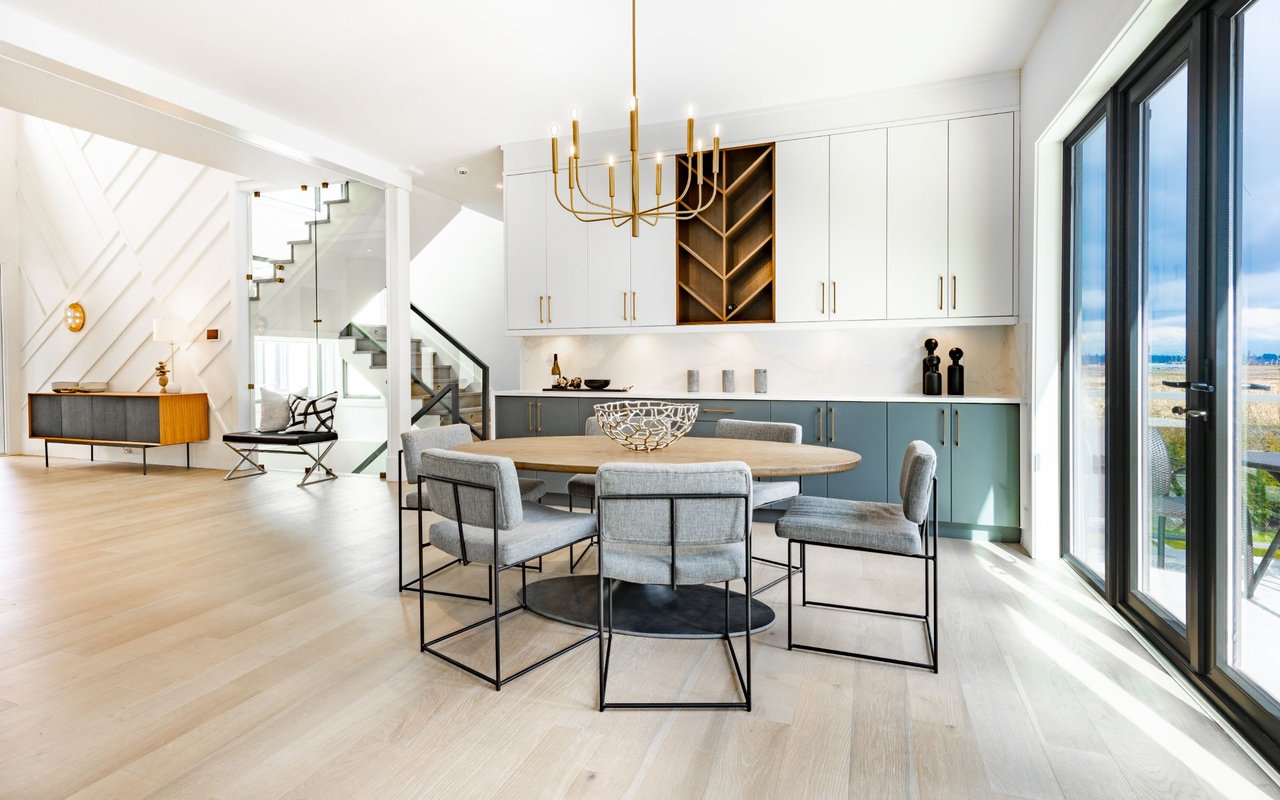
A dining room does not need elaborate styling to work. A clean table, balanced seating, and simple décor usually do the job.
If the dining area is part of an open plan, make sure it supports the visual flow of the rest of the space. It should feel connected, not like a separate zone with too much going on.
Make open-concept layouts feel even larger
Many Plantation listings feature open-concept layouts, which can be a major selling point. Good staging helps these spaces read as one cohesive environment instead of a collection of competing furniture groupings.
One of the easiest ways to do this is by editing. Remove pieces that block pathways, shrink visual space, or create awkward traffic patterns. When buyers can easily read the layout, the home tends to feel larger and more functional.
Quick ways to improve flow
- Remove oversized furniture that crowds the room
- Limit accent chairs if seating feels excessive
- Clear surfaces that collect small décor items
- Keep walkways open between living, dining, and kitchen areas
- Use a consistent color palette across connected spaces
Treat outdoor areas like real living space
Outdoor presentation matters in Plantation. Many homes feature covered patios, pools, large yards, golf-course-facing lots, and mature trees. These are not just extras. They are part of the lifestyle buyers may be looking for.
Laredo’s climate also makes this especially important. NOAA climate normals for the Laredo area show a mean annual daily high of 86.0°F, with average highs above 100°F in July and August. In that setting, buyers are likely to notice whether your outdoor spaces look shaded, clean, and easy to use.
Patio staging tips
Treat the patio like an extension of the home. A small seating area, clean cushions, and a clear path to the yard can help buyers picture outdoor dining or entertaining.
Keep it simple. You want the space to feel inviting, not overdesigned.
Pool and yard presentation
If you have a pool, make sure the deck is clean and the area is free of dust and faded items. Fresh-looking planters and tidy furniture can help the space feel maintained and move-in ready.
If your yard includes mature trees or golf-course views, make sure buyers can actually see them. Trim overgrowth and open up sightlines wherever possible.
Do not overlook curb appeal and the garage
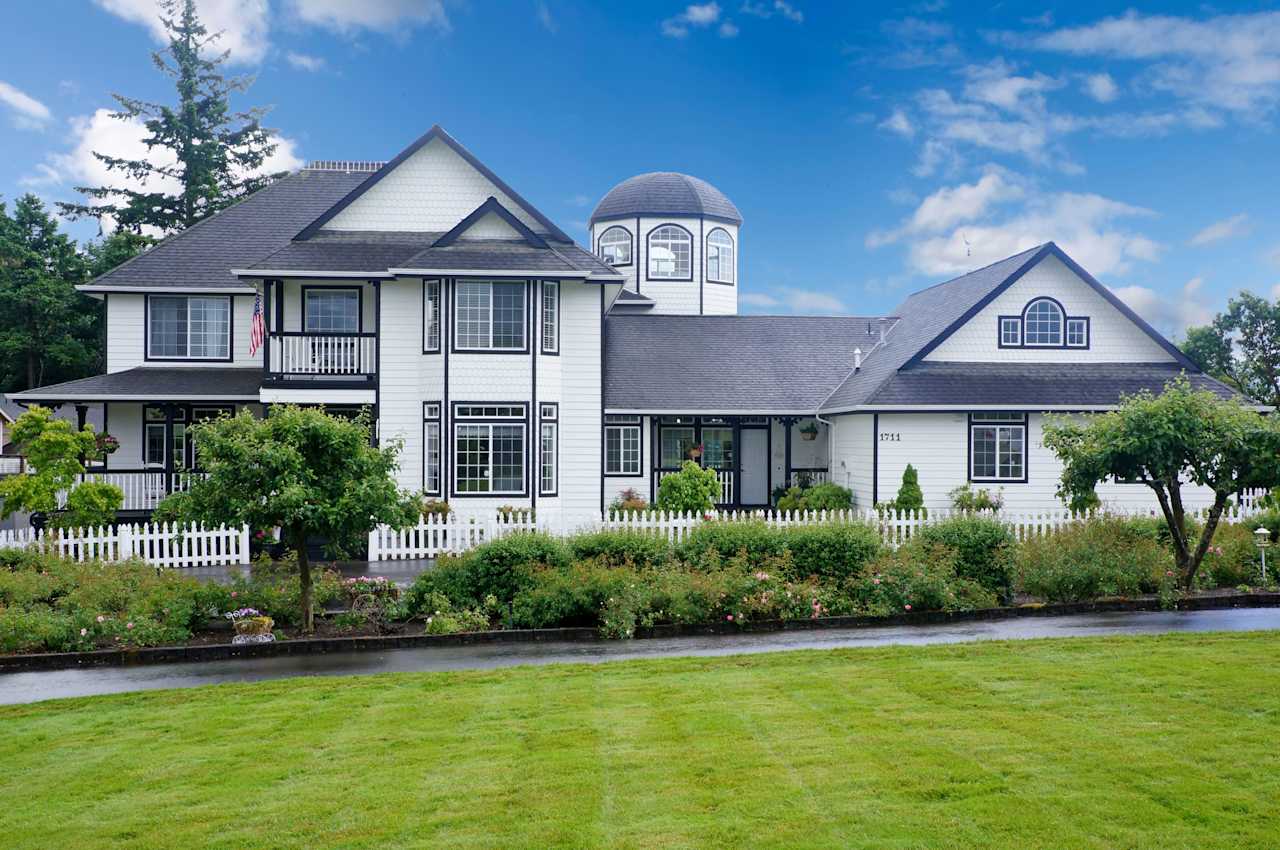
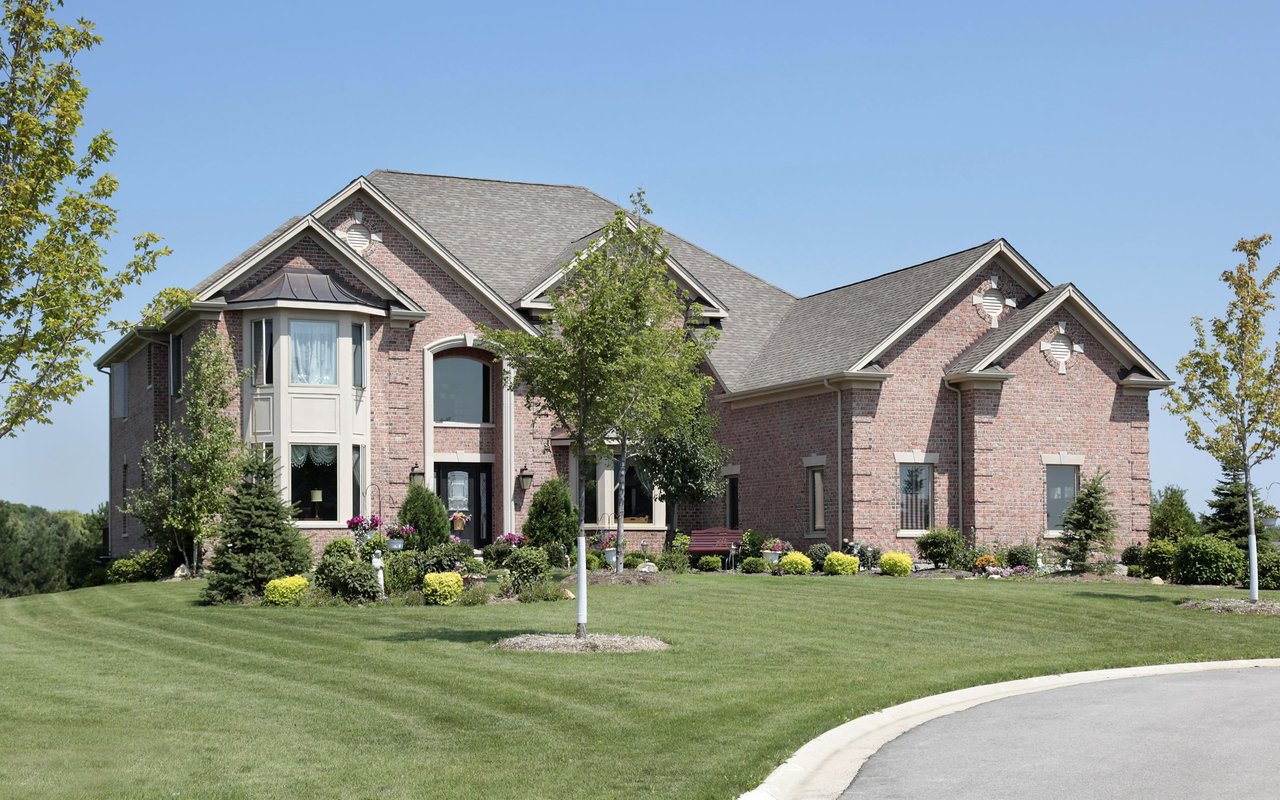
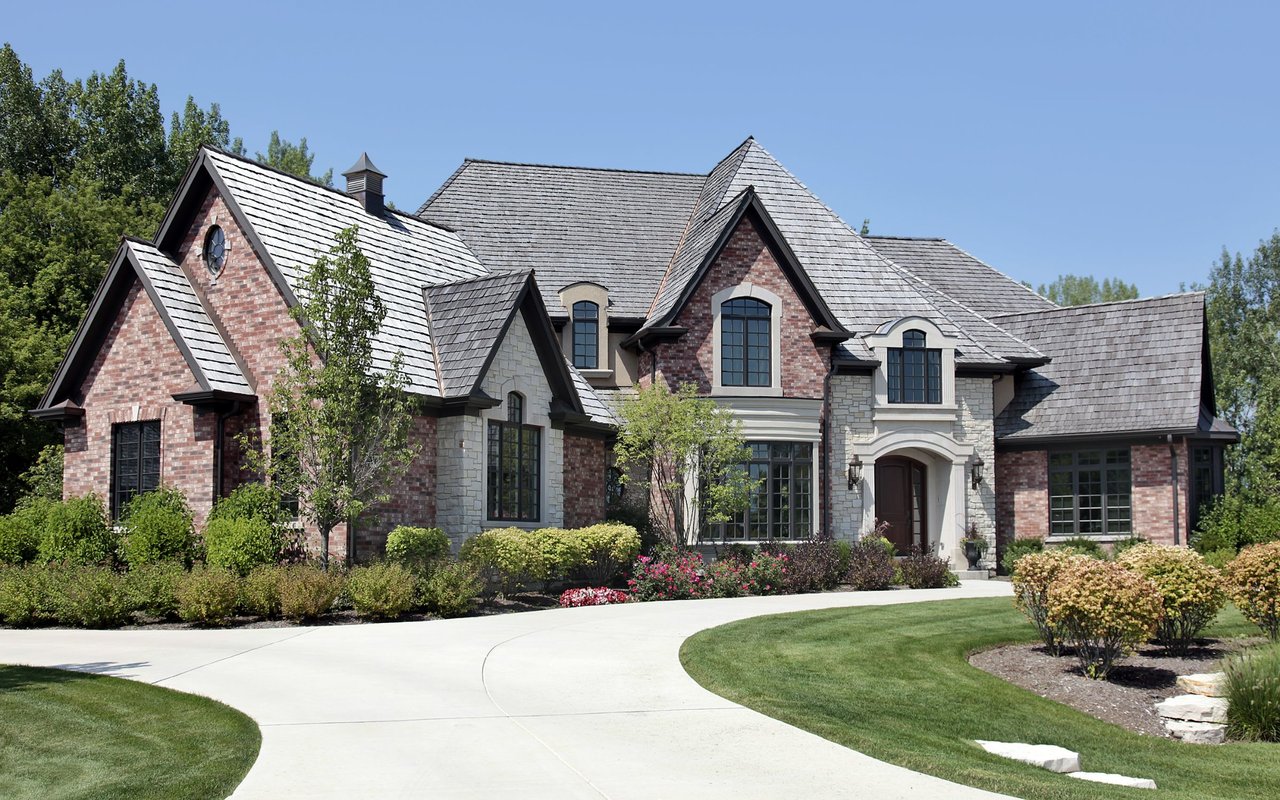
First impressions start before buyers walk through the front door. In Plantation, attached garages are common and street parking is rare, so the driveway, garage door, entry path, and front landscaping all play a bigger role in how the home is perceived.
A clean exterior often signals overall care. Pressure-washed hard surfaces, tidy plants, and a neat front entry can make the property feel more polished right away.
Exterior checklist before showings
- Sweep the entry and driveway
- Clean the garage door and front door
- Refresh or remove worn outdoor décor
- Trim plants that block windows or walkways
- Keep planters simple and heat-friendly
- Confirm any exterior additions follow HOA or gated-community rules, if applicable
Open the views and the light
If your home backs to the golf course or has beautiful tree coverage, make those features visible. Buyers cannot appreciate a view they never see.
Before photos and showings, open window treatments and let natural light in. In a neighborhood like Plantation, views and mature landscaping can help create a memorable impression when they are framed well.
Plan for photos, not just showings
A staged home needs to look great in person, but it also needs to look strong online first. Research shows that buyers place high value on listing photos, and photos are often the first chance your home has to compete for attention.
That means your best spaces should lead the listing. The first images should highlight the most compelling features, whether that is a bright open living area, a stylish kitchen, a covered patio, or a golf-course-facing backyard.
Photo-day staging priorities
- Open all blinds and window treatments
- Turn on lights if they help the room feel brighter
- Clear counters, vanities, and nightstands
- Hide personal items and small clutter
- Straighten patio furniture and pool areas
- Make sure the strongest space appears early in the photo order
Keep your staging budget practical
Staging is not the same as remodeling. In most cases, the goal is to clean, declutter, repair, depersonalize, and style the home so buyers can picture themselves living there.
That is good news if your Plantation home already has strong features. You may not need major updates to improve presentation. A focused plan that prioritizes the main living areas, primary suite, kitchen, curb appeal, and outdoor spaces can go a long way.
The 2025 Profile of Home Staging reported a median spend of $1,500 when sellers used a staging service. For many sellers, that supports the idea of being selective and strategic rather than trying to redo everything at once.
Why a local staging strategy works better
Staging is most effective when it reflects what buyers expect in a specific neighborhood. In Plantation, that often means highlighting architectural details, improving flow in open layouts, and making outdoor living areas feel usable and clean.
It also means knowing how to market those features once the home is ready. Strong staging, professional photography, and a thoughtful listing strategy work best together, especially in a neighborhood where presentation can shape both online attention and in-person response.
If you are thinking about selling in Plantation, the smartest next step is to get a clear plan for what to stage, what to leave alone, and how to position your home for maximum impact. For personalized guidance and a results-focused selling strategy, connect with Cindy E Cantu.
FAQs
What staging tips work best for Plantation homes in Laredo?
- The most effective tips are usually style-matched staging, decluttering open-concept spaces, cleaning and simplifying kitchens and primary bedrooms, and treating patios, pools, and curb appeal as key selling features.
Why is outdoor staging important for Plantation homes?
- Outdoor staging matters because Plantation homes often feature covered patios, pools, mature trees, and golf-course views, and Laredo’s warm climate makes clean, shaded, usable exterior spaces especially appealing.
Which rooms should sellers stage first in Plantation?
- Sellers should usually start with the living room, primary bedroom, dining room, and kitchen, since these are among the rooms buyers’ agents most often identify as important to stage.
How should you stage an open-concept home in Plantation?
- Use fewer furniture pieces, keep walkways open, reduce visual clutter, and create a consistent look across connected living, dining, and kitchen areas so buyers can easily understand the flow.
Do Plantation sellers need to remodel before listing?
- Not necessarily. In many cases, Plantation homes already have strong architectural features, so cleaning, decluttering, repairs, and focused styling can be more effective than major cosmetic changes.