Trying to choose between North Laredo and Central Laredo? That decision can shape your budget, your commute, and what daily life feels like after move-in. If you are comparing convenience, home prices, and neighborhood character, it helps to look at what the city’s planning, housing, and transportation data actually show. Let’s break it down so you can focus your search with more confidence.
North Laredo vs Central Laredo
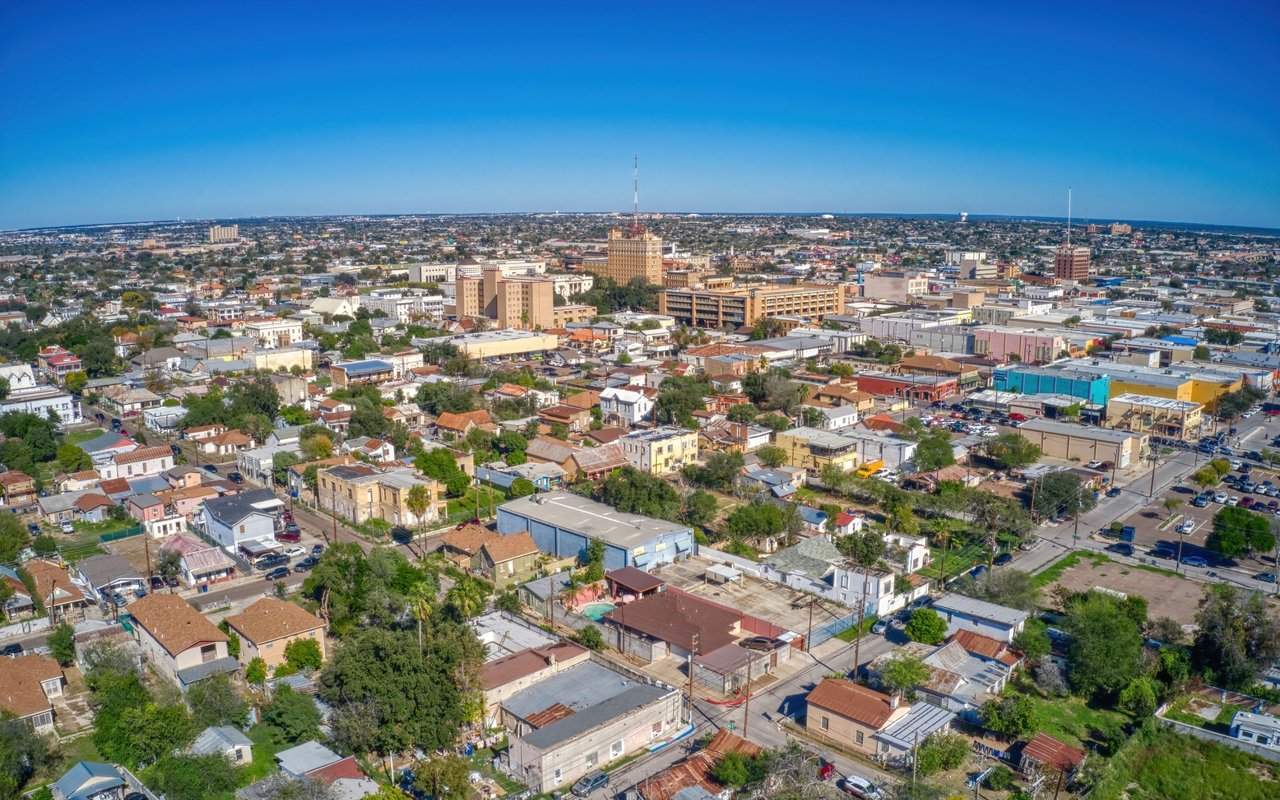
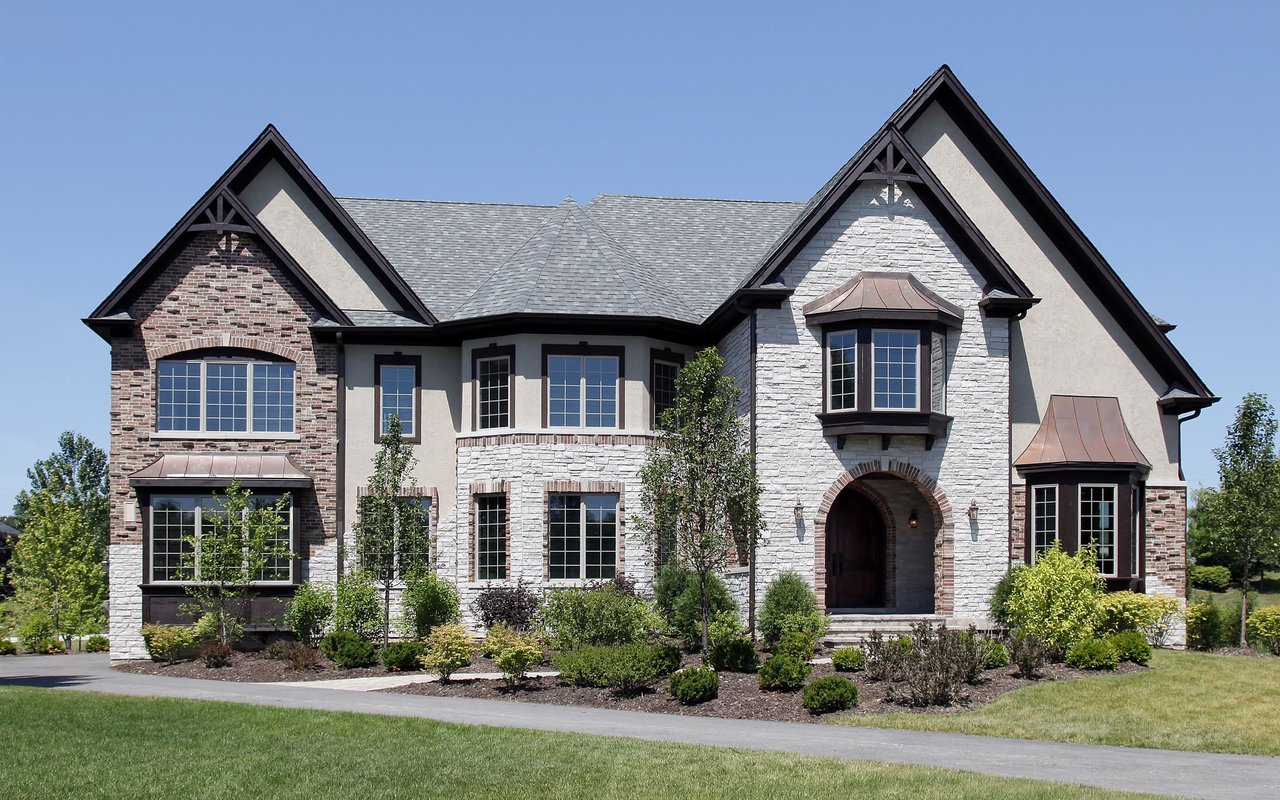
At a high level, North Laredo and Central Laredo offer two different living patterns. North Laredo is generally tied to newer suburban growth, park systems, and major corridors east of I-35. Central Laredo is more connected to the historic downtown core around San Agustín Plaza, civic buildings, and an older street grid.
That means this choice is not just about a map. It is also about how you want to live day to day. Some buyers want easier access to Loop 20, McPherson Road, and newer service nodes, while others prefer being closer to downtown functions, established streets, and historic character.
Home Prices and Budget Differences
For many buyers, budget is the first big separator. Recent spring 2026 Zillow zip code values show a clear price spread across Laredo, with 78040 at $136,556, 78041 at $246,371, and 78045 at $294,596. These zip codes do not perfectly define neighborhood boundaries, but they do show a general northward price increase.
Laredo’s citywide median owner-occupied housing value is $193,500, which helps frame the market overall. In simple terms, North Laredo often means shopping in a higher-priced segment, while Central Laredo may offer lower entry points. If affordability is a major priority, central areas may deserve a closer look.
If your budget has more flexibility, the north side may feel worth the premium because of its newer infrastructure and concentration of amenities. The right fit depends on whether you value lower upfront cost or newer surrounding development.
Lifestyle and Daily Routine
North Laredo Living
North Laredo is often a better match if you want a more corridor-based routine. Daily life on the north side is shaped by McPherson Road, Loop 20, major parks, and activity areas tied to north and northeast Laredo. The area includes destinations such as North Central Park and Shiloh Crossing Park, along with a broader network of trails, recreation areas, and community facilities.
The north side also includes major service points like Fire Station 10 on McPherson Road. Health care access is another draw, with Doctors Hospital of Laredo at 10700 McPherson Road and Laredo Medical Center’s North Central ER at 9811 McPherson Road. For buyers who want everyday errands and services clustered around newer corridors, this side of town can be appealing.
Central Laredo Living
Central Laredo offers a different experience. It is closely tied to the city’s historic heart, with San Agustín Plaza serving as a core landmark and downtown remaining a focus of preservation and revitalization. Buyers who like established streets, central civic access, and a stronger sense of historic context often gravitate here.
This area also places you closer to many municipal functions. City Hall is downtown at 1110 Houston Street, and the Downtown Transit Center is at 1301 Farragut Street. If you expect to spend time near civic offices or prefer a more central in-town feel, Central Laredo may line up better with your lifestyle.
Commute and Access Considerations
Laredo’s mean travel time to work is 21.6 minutes, but your actual commute depends heavily on where you need to go. This is where the north-versus-central choice becomes personal. A home that feels ideal on paper may become less convenient if it does not match your regular travel pattern.
North-side buyers often focus on access to I-35 and Loop 20, especially if they travel toward McPherson Road, the airport area, or north and northeast shopping and employment corridors. Transportation planning in Laredo has also concentrated heavily on Loop 20 reconstruction and interchanges at Del Mar, University, Shiloh, and Airport corridors. That supports the idea that north-side mobility is closely tied to major roadway access.
Central buyers often benefit from being closer to downtown destinations and the Downtown Transit Center. If your routine regularly includes downtown offices, civic services, or older central corridors, a central location can reduce back-and-forth driving. Before narrowing your search, it helps to list the places you visit most each week.
Parks, Services, and Convenience
A big part of choosing a side of town is figuring out what convenience means to you. In North Laredo, convenience often looks like park access, major road corridors, healthcare nodes, and clustered retail and service stops. The area around North Central Park adds trails, a pool complex, and a disc golf course to that appeal.
In Central Laredo, convenience often means shorter access to downtown institutions, city offices, and long-established parts of the community. The tradeoff is that the built environment can be older and more tied to historic preservation rules in certain areas. For some buyers, that is part of the charm. For others, it is something to think through carefully before making an offer.
Historic District Rules Matter
If you are considering Central Laredo, renovation plans deserve extra attention. In local historic districts, exterior alterations, demolition, new construction, and signage can require approval from the Historic District/Landmark Board. That can affect your timeline, design choices, and renovation budget.
This does not mean you should avoid central properties. It simply means you should verify whether a home falls within a locally designated historic district before assuming you can remodel freely. If you love older homes and character, this step is especially important.
School Zoning Should Be Verified by Address
If school assignments matter in your home search, do not rely on side-of-town assumptions. United ISD directs residents to verify campus zoning through its address-based school locator and district map. That is the most reliable way to confirm school assignment before you move forward.
This is important in both North and Central Laredo. A neighborhood label or a listing description is not a substitute for checking the exact address. If campus access is one of your top priorities, verify it early in the process.
Questions to Ask Before You Choose
If you are still weighing both sides of town, these questions can help clarify your next step:
- Is your regular commute mainly toward downtown, I-35, Loop 20, the airport area, or Mines Road?
- Are you trying to keep your entry price lower, or are you comfortable paying more for newer corridors and service nodes?
- Do you want closer access to civic services and downtown transit, or a more park-and-corridor-oriented routine?
- Are you considering an older home that may fall within a local historic district?
- Have you verified school zoning by exact address if that matters to your move?
When you answer these questions honestly, your search usually becomes much easier. Instead of asking which side of town is better, you start asking which side works better for your life.
Which Area Fits You Best?
North Laredo often fits buyers who want newer surrounding development, larger service nodes, park access, and corridor-based commuting patterns. It can be a strong option if you value access to McPherson Road, Loop 20, airport-area routes, and north-side amenities. The tradeoff is that you may pay more for that setup.
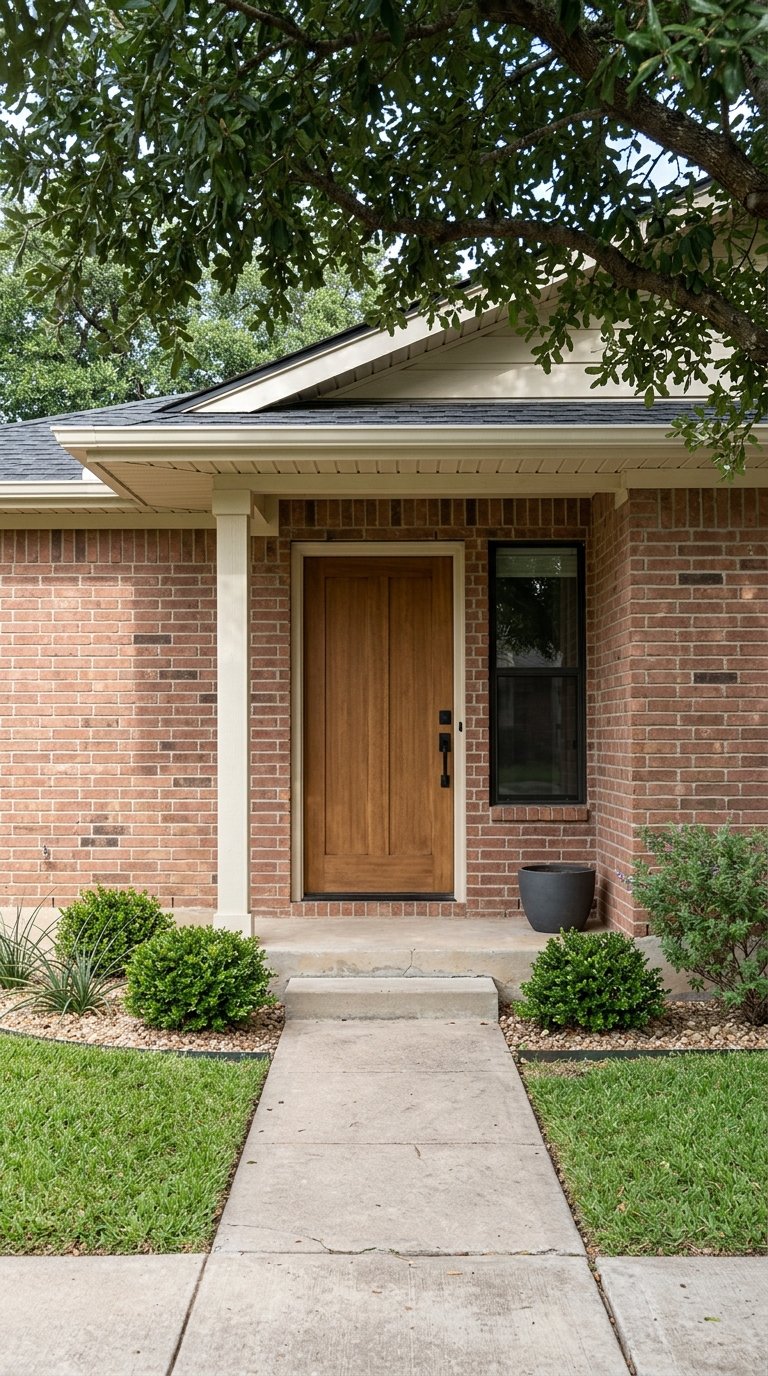
Central Laredo often fits buyers who want lower entry prices, access to downtown functions, and the character of an older in-town setting. It may be a better match if you want to stay closer to the city’s civic core and historic center. The tradeoff can include older housing stock and added review requirements in historic districts.
The best choice comes down to your priorities, not a one-size-fits-all answer. If you want help comparing specific neighborhoods, price points, and commute patterns in Laredo, Cindy E Cantu can help you narrow the search and move forward with confidence.
FAQs
What is the main difference between North and Central Laredo for home buyers?
- North Laredo is generally associated with newer suburban growth, major road corridors, parks, and larger service nodes, while Central Laredo is more connected to downtown, civic functions, established streets, and the historic core.
Is North Laredo more expensive than Central Laredo for buyers?
- Generally, yes. Spring 2026 zip code values show a northward price increase, with 78040 at $136,556, 78041 at $246,371, and 78045 at $294,596, though zip codes are only a directional guide.
Is Central Laredo better for commuting to downtown Laredo?
- Central Laredo is often more convenient for buyers who need regular access to downtown offices, City Hall, and the Downtown Transit Center because those destinations are located in the central core.
What should buyers know about historic homes in Central Laredo?
- If a property is in a locally designated historic district, exterior changes, demolition, new construction, and some other modifications may require Historic District/Landmark Board approval.
How should buyers verify school zoning in Laredo?
- Buyers should check the exact property address using United ISD’s address-based school locator and district map rather than relying on neighborhood names or general side-of-town assumptions.