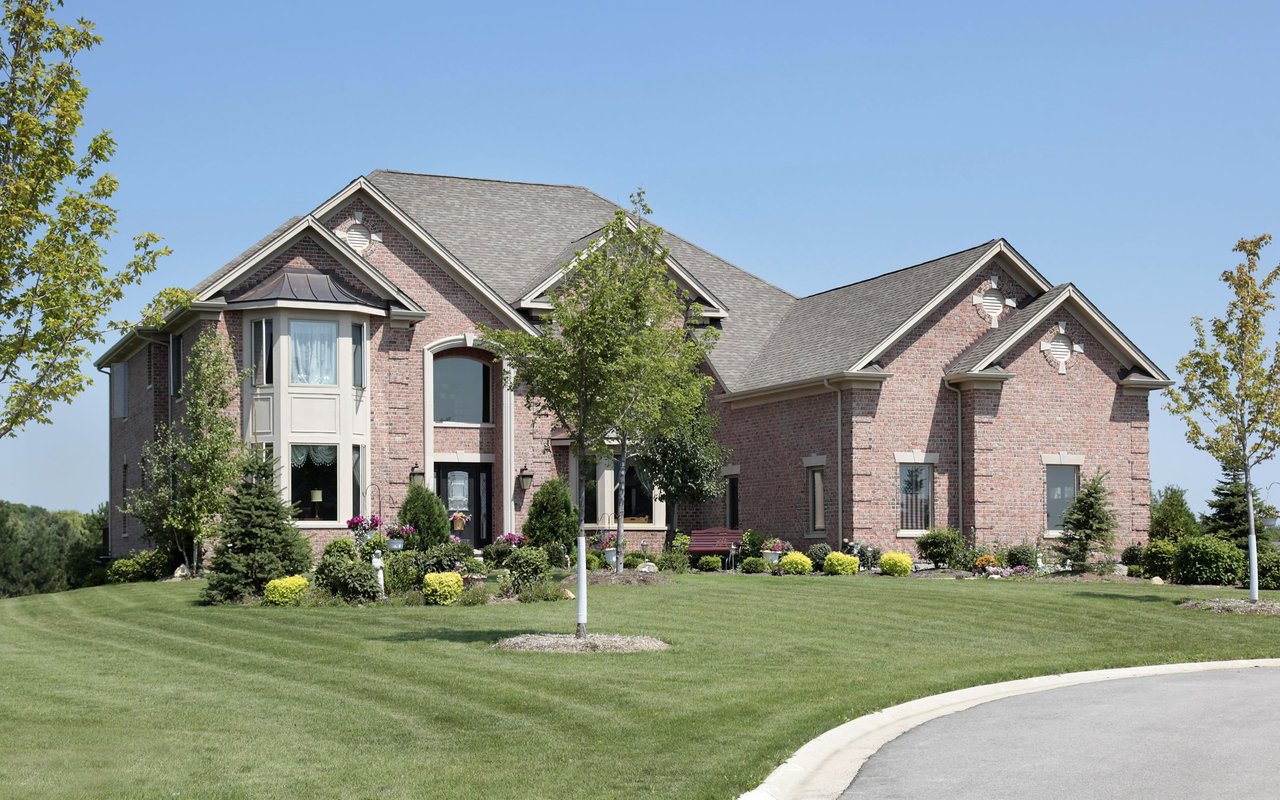
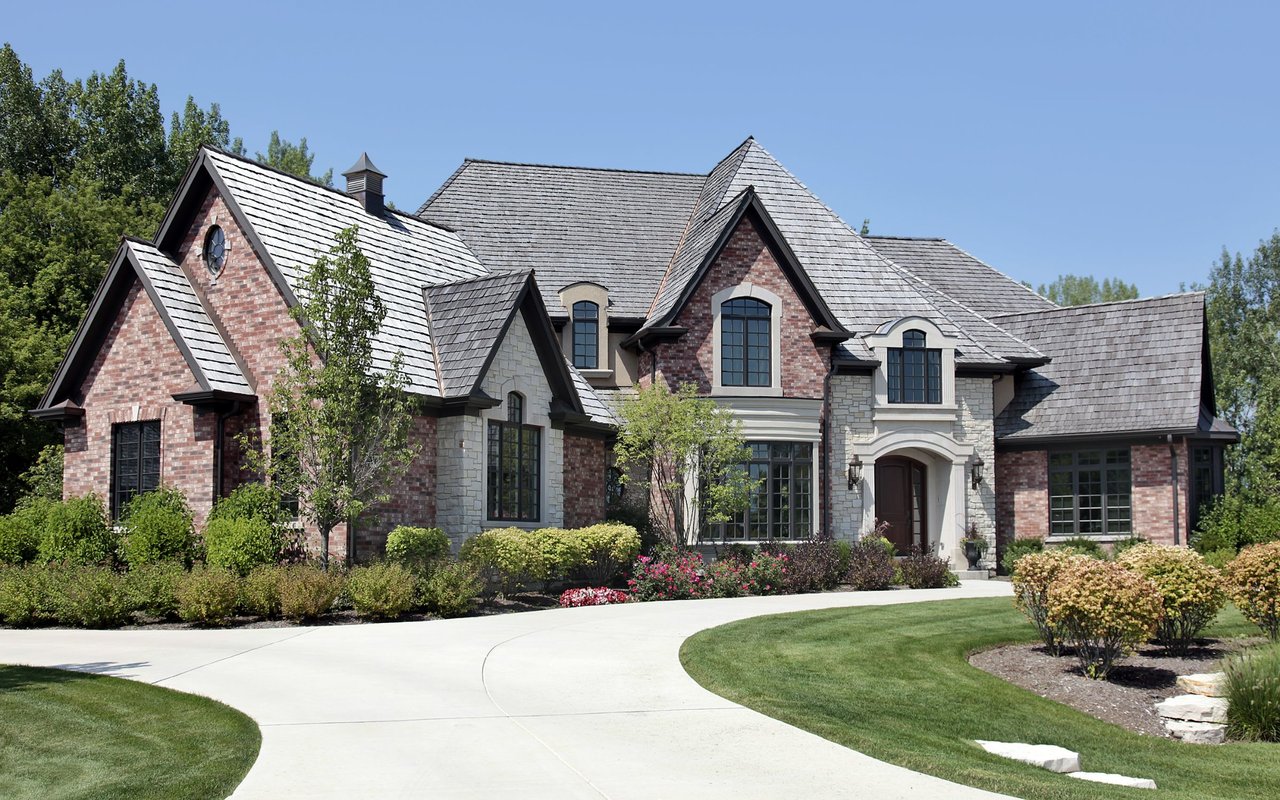
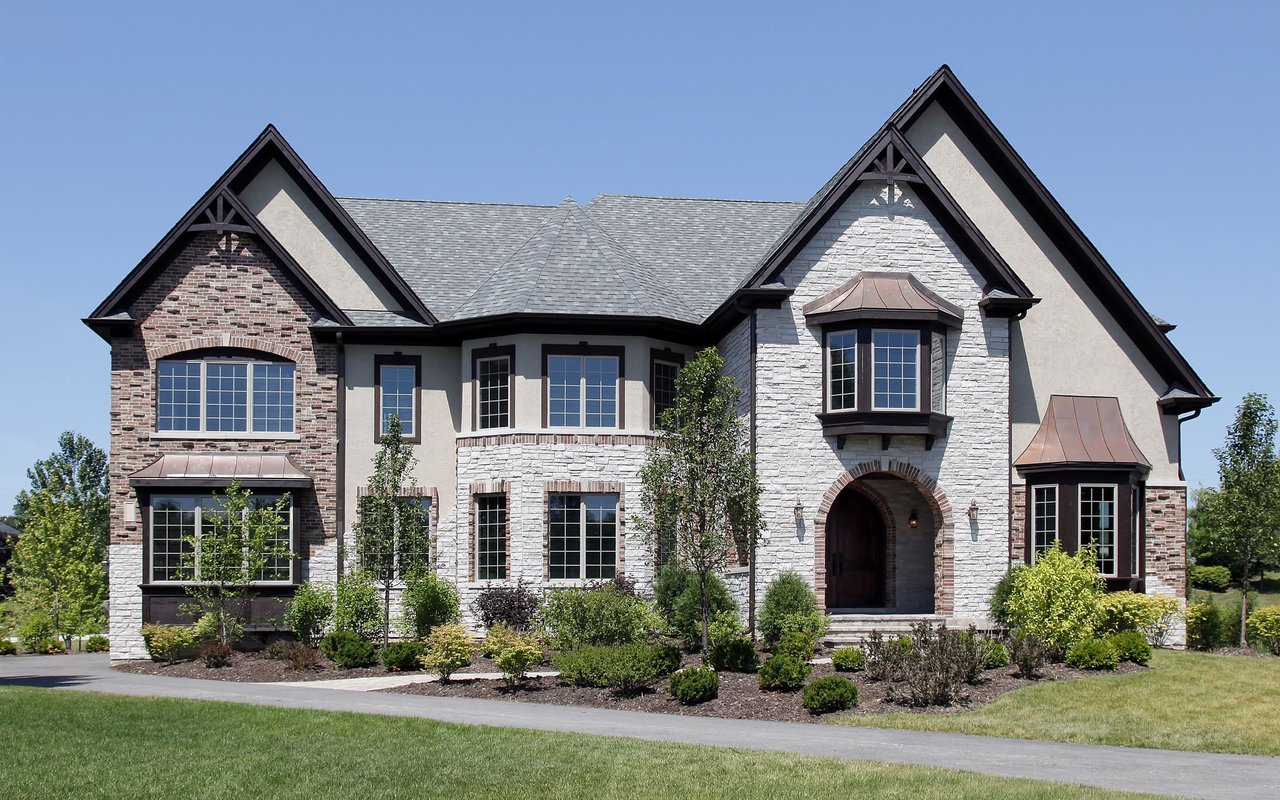
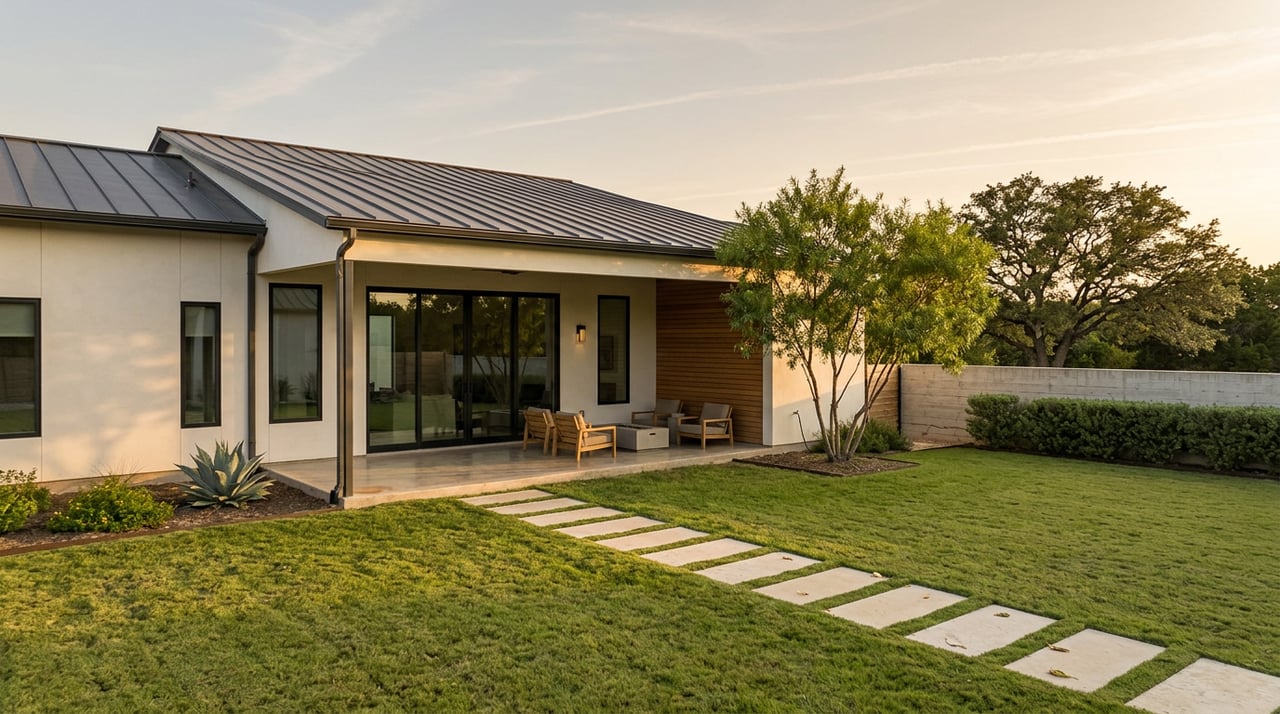
A buyer closes on a home with a fairway view on the back nine of Laredo Country Club. The listing photos leaned hard into that view. The agent talked up the lifestyle. Two weeks after moving in, the buyer calls the club to book a tee time and finds out nobody there has ever heard of them, because nothing about buying the house enrolled anyone in anything.
That surprise is common enough in Plantation that it deserves its own explanation, separate from the usual market chatter about square footage and pool sizes. The house and the country club membership are not one purchase. They are two, priced differently, approved differently, and governed by two completely different sets of rules. Understanding where that line falls changes how a buyer should shop the neighborhood and how a seller should write the listing.
The Address and the Club Share a Name, Not a Deed
Laredo Country Club was founded in 1983, and its 130-acre, 18-hole golf course sits at the physical center of Plantation, with the clubhouse itself on the north side of the property. The club has grown well past golf over four decades: eight tennis courts, four pickleball courts, two swimming pools, four banquet halls, and a 45,000-square-foot clubhouse that hosts member events and functions simultaneously. Members eat at The 19th Hole or the Magnolia Bar and Grille. The club also hosts an NCAA collegiate golf tournament every year, which tells you something about how the course is maintained.
None of that belongs to a property deed. The club is a private membership organization. It sits inside Plantation geographically, but legally it operates the same way a private gym or a private school would: you apply, you get approved or you don't, and your relationship to it has nothing to do with which street you live on.
What the Homeowners Association Actually Controls
Plantation's residential side runs through a separate, older entity: The Laredo Homeowner's Association of the Plantation, Inc., established in 1985. This is the organization that actually attaches to the property. It sets architectural rules, collects dues, and enforces deed restrictions the way any Texas HOA does.
Because this HOA is tied to the deed, Texas law treats it as a disclosure item. Under Texas Property Code Section 5.012, a seller has to give the buyer written notice of obligations related to membership in a property owners association before the contract is signed. Section 5.008 separately requires sellers to disclose any HOA fees or assessments they know about. And under Section 207.003, a buyer can request a resale certificate summarizing the HOA's financial standing, current fees, and any unpaid balances tied to the property, capped at $375 for the initial certificate under the current fee schedule.
That paperwork trail exists because the HOA is a legal encumbrance on the house. The country club is not. A resale certificate will tell a buyer everything about their HOA dues and nothing about whether they can play the back nine, because the two systems were never built to talk to each other.
What Club Membership Actually Costs and Requires
The club's own membership process runs through its membership office, currently overseen by Assistant General Manager Cindy Rangel, and it looks nothing like a real estate closing. An applicant submits a formal application along with a photo of the applicant, spouse, and children, and at least three letters of recommendation from active members who serve as sponsors. Membership categories cover the applicant's spouse and unmarried children under 24, with a junior option available for kids aging out of that window.
On the financial side, Regular and Corporate memberships come with an application fee of $500 that is non-refundable regardless of outcome. Approved applicants can pay half the initiation cost up front, with the rest financed over 24 months at 6 percent interest; Laredo Country Club says Texas state sales tax of 8.25 percent is added on top of all membership fees. Membership is also subject to availability. If the club is full at the tier a buyer wants, the application goes onto a waiting list rather than getting an automatic yes.
Every part of that process happens independently of a home sale. A buyer can close on a Plantation house on a Tuesday and still be waiting on sponsor letters and a membership decision months later.
Why the Price Spread Runs So Wide
This separation also explains something buyers notice quickly when they start touring Plantation: the price range is enormous for one neighborhood. New Traditional homes here generally run from the mid $300,000s up to roughly $500,000, while the contemporary and Spanish Colonial homes that make up most of the neighborhood's stock span a much wider band, from around $400,000 up past $1.5 million depending on the lot and finish level. Named subdivisions inside Plantation carry their own identity within that spread, including Plantation-Turnberry, Plantation Muirfield, Plantation-Wingfoot, Plantation/Eagle Ridge, and The Reserve, each with its own mix of lot sizes, gate status, and proximity to the golf course itself.
It would be easy to assume that spread tracks club membership, since golf-course living gets marketed as a package deal. It does not. Two neighbors on the same cul-de-sac can carry nearly identical HOA dues while one holds a country club membership and the other has never applied. What actually moves the price is architecture, lot size, whether the subdivision is gated, and whether the lot backs directly onto a fairway with a view worth paying for. Club access is a lifestyle choice layered on top of the address, not a feature baked into it.
For context on where that fits into the broader Laredo market, citywide listings sat at a median price of $223,000 as of September 2026, with homes spending a median of 73 days on the market. Plantation trades well above that citywide figure across nearly every product type in the neighborhood, which is exactly what you would expect from a corridor built around larger lots, pools, and a private golf course, whether or not any individual buyer ever joins the club next door.
What This Means at the Closing Table
For sellers, the fix is simple and worth getting right before the listing goes live. Market the golf course view, the gate, the lot. Do not imply that club access comes with the house. If your HOA resale certificate is requested, get it moving promptly.
For buyers who care about club access, treat the application as its own project that runs on its own clock. Start gathering sponsor letters from members you already know, if any, well before your home search wraps up. Ask the membership office directly about current waitlist status for the tier you want, since availability shifts and nobody outside the club controls that timeline. Budget the $500 application fee and the financing terms separately from your home closing costs, because they will show up on a different invoice, from a different office, on a different schedule.
Frequently Asked Questions
Does buying a home on the golf course automatically make me a club member?
No. Golf frontage affects the price of the lot. Membership is a separate application through the club's own office, with its own fee, sponsorship requirement, and approval process.
Is the country club membership covered by the HOA resale certificate?
No. The resale certificate under Texas Property Code Section 207.003 covers the residential homeowners association, its dues, and its financial standing. It has no connection to the private club's membership records or fee schedule.
Plantation rewards buyers and sellers who understand exactly which parts of the neighborhood come with the deed and which parts require a separate conversation with the club. If you are weighing a purchase near the golf course, or getting ready to list a home in Plantation and want the marketing and the disclosures both handled correctly, Cindy E Cantu has spent 19 years walking Laredo buyers and sellers through exactly this kind of detail. Get your free home valuation and start the conversation with someone who already knows where the lines fall.
This article is general information, not legal, tax or financial advice. Consult a qualified professional about your situation.